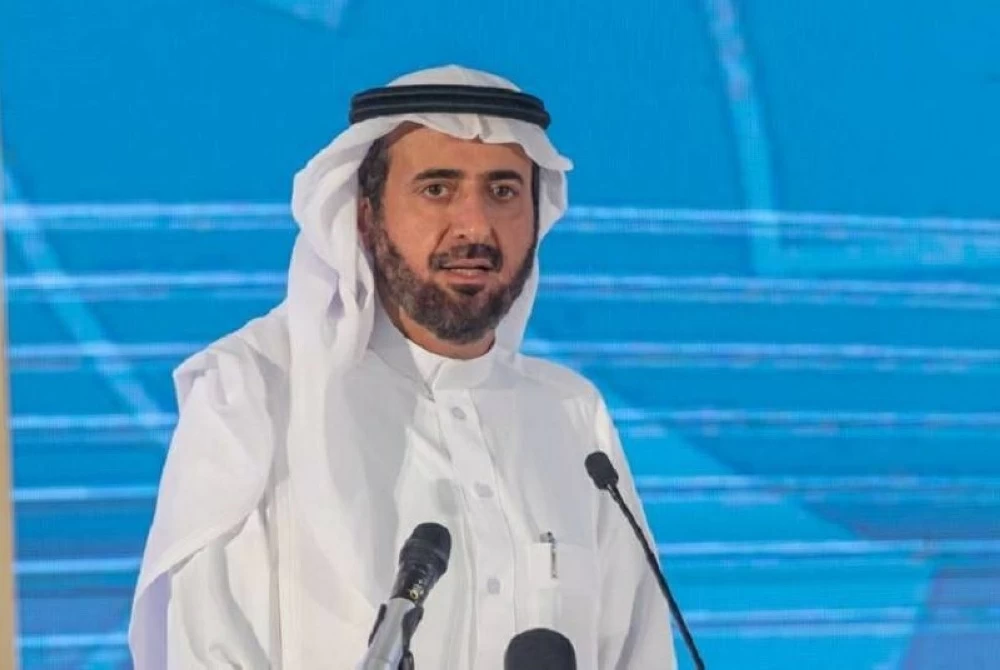
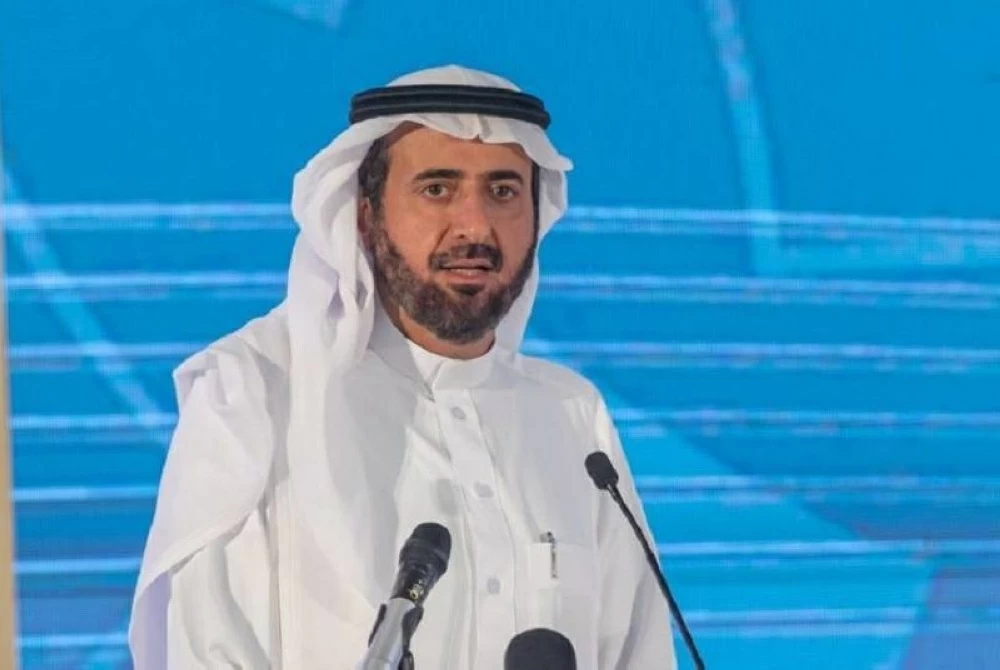
كشف وزير الحج والعمرة الدكتور توفيق الربيعة عن سبعة تحولات كبرى شهدتها منظومة الحج والعمرة، أسهمت في رفع نسبة رضا الحجاج إلى 93% خلال موسم حج 1447هـ، مؤكداً أن هذه التحولات شملت تطوير سوق الخدمات، وتوسيع فرص الوصول إلى الحج، والتحول الرقمي، وتحسين منظومة النقل والخدمات المقدمة لضيوف الرحمن.
وأوضح الربيعة أن برنامج خدمة ضيوف الرحمن، أحد برامج رؤية السعودية 2030، يعمل على تسهيل رحلة الحاج منذ مرحلة التخطيط في بلده وحتى عودته، من خلال الارتقاء بجودة الخدمات وإثراء التجربة الإيمانية والثقافية للحجاج والمعتمرين.
وأشار إلى أن فتح المنافسة في سوق خدمات الحج أتاح لبعثات الحج خيارات أوسع عبر الاستفادة من خدمات 34 شركة لخدمة حجاج الخارج، فيما جرى توسيع الاستفادة من برنامج الحج المباشر ليشمل 133 دولة حول العالم، ما أسهم في تسهيل وصول المزيد من المسلمين لأداء المناسك.
وبيّن أن الاستعداد لموسم الحج أصبح يبدأ مبكراً عبر خطط تشغيلية متكاملة وبرامج تدريب وتوعية بلغات متعددة، إلى جانب استكمال التعاقدات قبل الموسم بفترة كافية لضمان الجاهزية ورفع كفاءة الخدمات.
وفي جانب التطوير التقني، أوضح أن منصة وتطبيق (نسك) تحولا إلى بوابة رقمية متكاملة يستخدمها أكثر من 70 مليون مسلم حول العالم، فيما تتعامل المنظومة الرقمية مع أكثر من 4.4 مليار عملية سنوياً لتسهيل إجراءات وخدمات ضيوف الرحمن.
وأضاف أن مبادرة (مسافر بلا حقيبة) تعاملت مع نحو 2.9 مليون حقيبة خلال موسم حج 1447هـ، وأسهمت في تقليص زمن إنهاء إجراءات السفر بالمطارات من ساعتين إلى 15 دقيقة فقط، بينما ارتفع عدد المواقع التاريخية والوجهات الإثرائية المؤهلة في مكة المكرمة والمدينة المنورة من 15 موقعاً في 2022 إلى 102 مواقع في 2026.
وأكد الربيعة أن تطوير الخدمات في الحرمين الشريفين أسهم كذلك في زيادة الطاقة الاستيعابية للروضة الشريفة، حيث ارتفع عدد زوارها من نحو ستة ملايين زائر عام 2022 إلى قرابة 16 مليون زائر عام 2025.
ولفت إلى أن أثر هذه الجهود انعكس بصورة مباشرة على تجربة ضيوف الرحمن، إذ ارتفعت نسبة رضا الحجاج من 74% في عام 1443هـ إلى 93% في موسم حج 1447هـ، في مؤشرٍ يعكس نجاح خطط التطوير المستمرة والجهود المتكاملة للارتقاء بمنظومة الحج والعمرة.
The Minister of Hajj and Umrah, Dr. Tawfiq Al-Rabiah, revealed seven major transformations that the Hajj and Umrah system has undergone, contributing to an increase in the satisfaction rate of pilgrims to 93% during the Hajj season of 1447 AH. He confirmed that these transformations included the development of the service market, expanding access to Hajj, digital transformation, and improving the transportation system and services provided to the guests of the Most Merciful.
Al-Rabiah explained that the Guest of the Most Merciful Service Program, one of the programs of Saudi Vision 2030, works to facilitate the pilgrim’s journey from the planning stage in their home country until their return, by enhancing the quality of services and enriching the spiritual and cultural experience of pilgrims and Umrah performers.
He pointed out that opening competition in the Hajj services market has provided Hajj missions with broader options by benefiting from the services of 34 companies serving pilgrims from abroad, while the direct Hajj program has been expanded to include 133 countries around the world, which has contributed to facilitating the arrival of more Muslims to perform the rituals.
He indicated that preparations for the Hajj season now begin early through comprehensive operational plans and training and awareness programs in multiple languages, in addition to completing contracts well in advance of the season to ensure readiness and enhance service efficiency.
In terms of technical development, he clarified that the Nusuk platform and application have transformed into a comprehensive digital gateway used by more than 70 million Muslims worldwide, while the digital system handles more than 4.4 billion transactions annually to facilitate the procedures and services for the guests of the Most Merciful.
He added that the “Traveler Without Luggage” initiative dealt with approximately 2.9 million bags during the Hajj season of 1447 AH, contributing to reducing the time taken to complete travel procedures at airports from two hours to just 15 minutes, while the number of historical sites and enriching destinations qualified in Mecca and Medina increased from 15 sites in 2022 to 102 sites in 2026.
Al-Rabiah confirmed that the development of services in the two holy mosques has also contributed to increasing the capacity of the Noble Rawdah, as the number of its visitors rose from about six million visitors in 2022 to nearly 16 million visitors in 2025.
He noted that the impact of these efforts has directly reflected on the experience of the guests of the Most Merciful, as the satisfaction rate of pilgrims increased from 74% in 1443 AH to 93% in the Hajj season of 1447 AH, indicating the success of ongoing development plans and integrated efforts to elevate the Hajj and Umrah system.