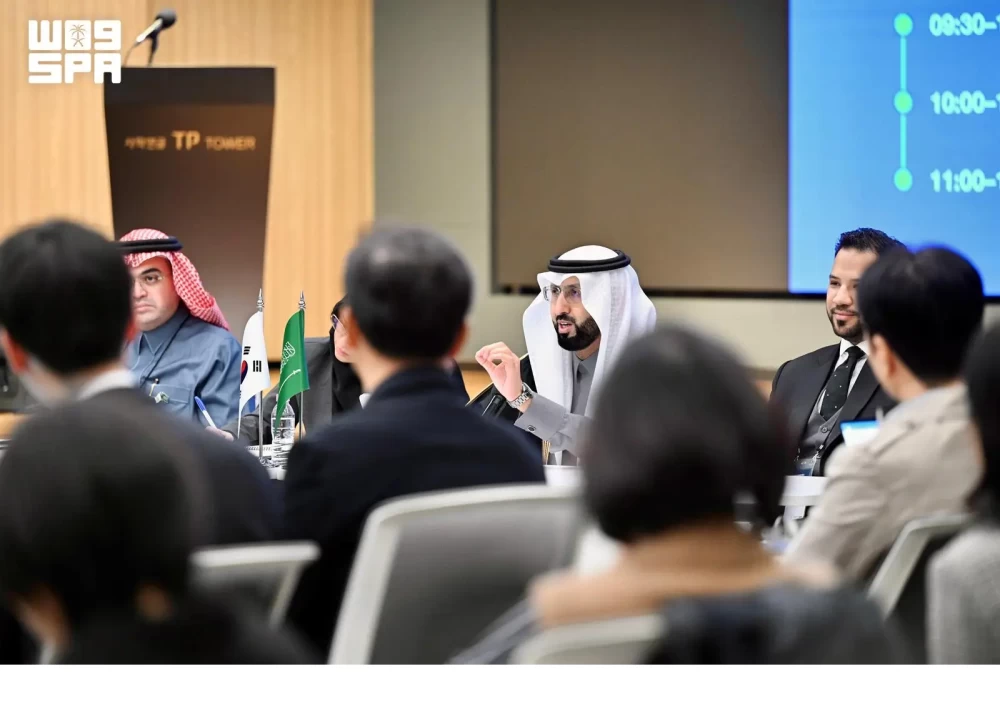
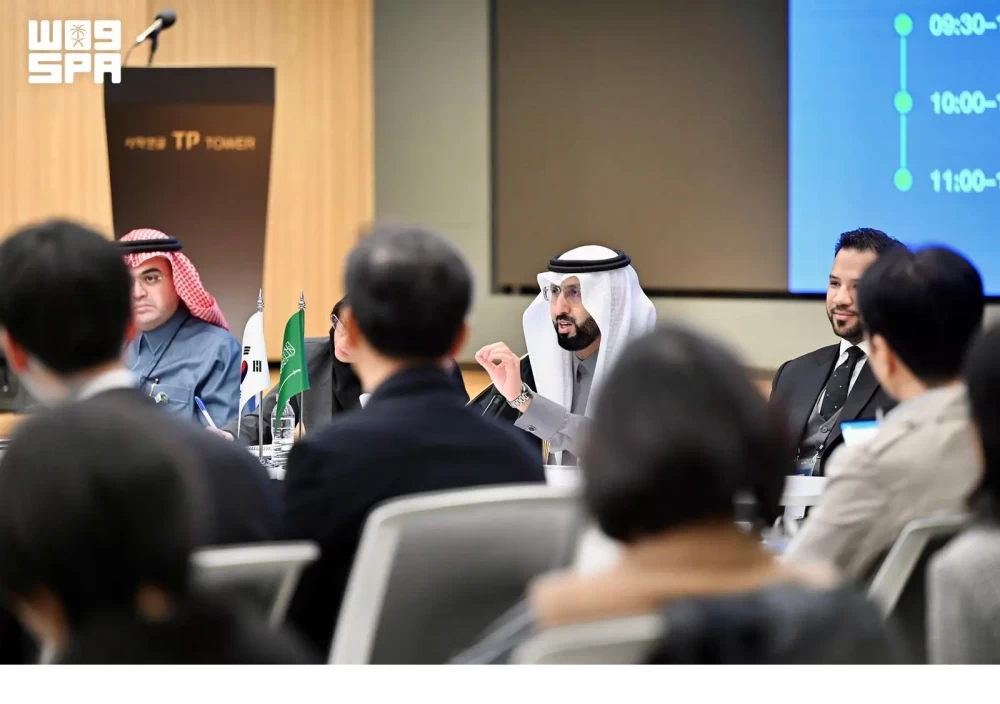
بحث الرئيس التنفيذي للهيئة العامة للغذاء والدواء الدكتور هشام الجضعي، مع عدد من رؤساء وممثلي شركات القطاع الخاص في كوريا، فرص التعاون في مجالات التقنية الحيوية والعلاجات المتقدمة، وذلك خلال اجتماع الطاولة المستديرة الذي عُقد على هامش مشاركته في القمة السنوية لمنظمة السلطات التنظيمية لائتلاف الأدوية الدولي (ICMRA)، في العاصمة الكورية سيئول.
استعرض الجضعي جهود الهيئة في تطوير المسارات التنظيمية لمواكبة التطورات العلمية والتقنية وتسريع تسجيل العلاجات وإتاحتها للمرضى، مع ضمان استيفائها متطلبات الجودة والفعالية والسلامة، وسلّط الضوء على مسار «نادر» لاستقطاب أدوية الأمراض النادرة، إلى جانب المسارات التنظيمية المستحدثة للعلاجات المتقدمة، ودورها في دعم وصول الابتكارات العلاجية إلى المملكة.
وأكد أن الإستراتيجية الوطنية للتقنية الحيوية تدعم طموح المملكة لتكون مركزاً عالمياً رائداً في هذا المجال، بما ينسجم مع مستهدفات رؤية السعودية 2030، مشيراً إلى دور مؤسسة مركز الرياض للتقنية الحيوية في تمكين البحث والابتكار، وتعزيز التكامل بين الجهات البحثية والقطاعين العام والخاص، وبناء شراكات مع المراكز والشركات العالمية المتخصصة.
وناقش الاجتماع فرص تبادل الخبرات العلمية والتنظيمية، والاستفادة من الإمكانات البحثية والتقنية لدى الجانبين، بما يدعم الابتكار في التقنية الحيوية ويعزز التواصل بين الهيئة والشركات الكورية بشأن المتطلبات والمسارات التنظيمية لتسجيل العلاجات الحديثة.
The CEO of the Saudi Food and Drug Authority, Dr. Hisham Aljadhi, discussed with several heads and representatives of private sector companies in Korea the opportunities for collaboration in the fields of biotechnology and advanced therapies during a roundtable meeting held on the sidelines of his participation in the annual summit of the International Coalition of Medicines Regulatory Authorities (ICMRA) in the South Korean capital, Seoul.
Aljadhi reviewed the Authority’s efforts in developing regulatory pathways to keep pace with scientific and technological advancements and to expedite the registration and availability of therapies for patients, while ensuring they meet quality, efficacy, and safety requirements. He highlighted the “Rare” pathway aimed at attracting medicines for rare diseases, alongside newly established regulatory pathways for advanced therapies, and their role in supporting the access of therapeutic innovations to the Kingdom.
He affirmed that the National Biotechnology Strategy supports the Kingdom’s ambition to be a leading global center in this field, in line with the objectives of Saudi Vision 2030, pointing to the role of the Riyadh Biotechnology Center in enabling research and innovation, enhancing integration between research entities and the public and private sectors, and building partnerships with specialized global centers and companies.
The meeting discussed opportunities for exchanging scientific and regulatory expertise, leveraging the research and technological capabilities of both sides, which supports innovation in biotechnology and enhances communication between the Authority and Korean companies regarding the requirements and regulatory pathways for registering modern therapies.