بلغت الجرأة على حرمة المقدسات بالحوثي قاعاً جديداً من الإجرام، تكشف المسافة الفاضحة بين شعارات يتستر بها وسلاح يهدد به أمن المسلمين. أي ضمير يردع جماعة تمنح نفسها حق ترويع الآمنين في أرض يقصدها الناس طلباً للسكينة، وأي مصداقية تبقى لخطاب يرفع راية الدين ثم تنتهي صواريخه إلى تهديد أرض الحرمين؟
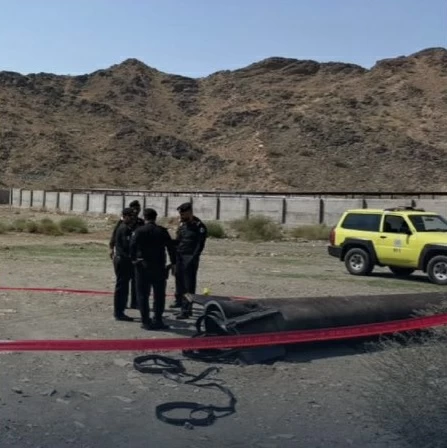
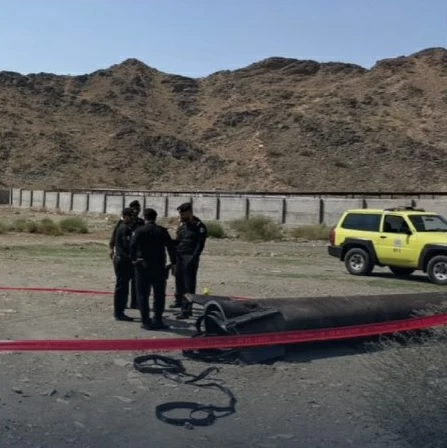
أعلن الدفاع المدني، (السبت) 24 أكتوبر 2026، سقوط أجزاء من صاروخين باليستيين أطلقتهما الميليشيا الحوثية باتجاه منطقتي مكة المكرمة والمدينة المنورة، بعد اعتراضهما، ووصول أجزاء منهما إلى وادي المغمس بالعاصمة المقدسة. واقعة تضيف إلى سجل الجماعة اعتداءً تتضاعف خطورته بحرمة المكان ومكانته في وجدان المسلمين.
وادي المغمس هلاك الحوثي
على بعد 23 كم من المسجد الحرام، وقرب مشعر عرفات، سقطت شظايا الصاروخ الحوثي في وادي المغمس، المكان الذي هلك فيه جيش أبرهة بحجارة من سجيل.
وادٍ يستحضر فصلاً من ذاكرة الاعتداء على البيت الحرام. اتخذ منه أبرهة معسكراً لجيشه قاصداً هدم الكعبة المشرفة. ومن هذه الذاكرة تنبع المقارنة، مقارنة في التجرؤ على المقدسات، وفي غرور القوة الذي يدفع المعتدي إلى تجاوز كل حرمة.
أبرهة جاء بجيشه، والحوثي يرسل صواريخه. اختلاف الأداة يمنح العدوان صورةً أخرى، لكنه يبقي السؤال الأخلاقي قائماً: كيف يستبيح المعتدي أمن أرض يعرف منزلتها لدى المسلمين، ثم يطلب منهم تصديق ادعاءاته بالدفاع عن قضاياهم؟
الجريمة هنا تتجاوز الحساب السياسي إلى انتهاك حرمة دينية وإنسانية.
مكة المكرمة أقدس من أن تصبح ورقة ابتزاز، وأمن الحرمين أعظم من أن يخضع لمغامرات ميليشيا.
وذاكرة أصحاب الفيل باقية بعبرتها: للبيت حرمة، وللطغيان عاقبة، والقوة التي تغري صاحبها بالعدوان قد تكون أول أسباب سقوطه.
The audacity against the sanctity of holy sites by the Houthis has reached a new low of criminality, revealing the scandalous gap between the slogans they hide behind and the weapons they use to threaten the security of Muslims. What conscience restrains a group that grants itself the right to terrorize the peaceful in a land sought by people for tranquility, and what credibility remains for a discourse that raises the banner of religion only for its missiles to end up threatening the land of the two holy mosques?
The Civil Defense announced on Saturday, October 24, 2026, that parts of two ballistic missiles launched by the Houthi militia towards the regions of Mecca and Medina fell after being intercepted, with parts reaching the Wadi al-Maghmas in the holy capital. This incident adds to the group’s record of aggression, which is compounded by the sanctity of the place and its significance in the hearts of Muslims.
Wadi al-Maghmas: The Destruction of the Houthis
Located 23 km from the Sacred Mosque and near the site of Arafat, fragments of the Houthi missile fell in Wadi al-Maghmas, the place where the army of Abraha was destroyed by stones of baked clay.
A valley that evokes a chapter from the memory of the assault on the Sacred House. Abraha used it as a camp for his army, intending to demolish the honorable Kaaba. From this memory arises the comparison, a comparison in the audacity against the sacred, and in the arrogance of power that drives the aggressor to transgress all sanctity.
Abraha came with his army, while the Houthis send their missiles. The difference in tools gives the aggression another image, but it keeps the moral question alive: how does the aggressor violate the security of a land whose status is known among Muslims, and then ask them to believe his claims of defending their causes?
The crime here transcends political calculations to violate a religious and humanitarian sanctity.
Mecca is too sacred to become a tool for blackmail, and the security of the two holy mosques is too great to be subjected to the adventures of a militia.
And the memory of the People of the Elephant remains with its lesson: the house has sanctity, and tyranny has consequences, and the power that tempts its owner to aggression may be one of the primary reasons for his downfall.